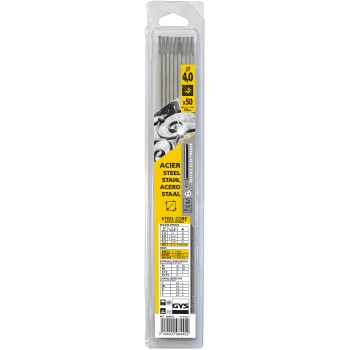
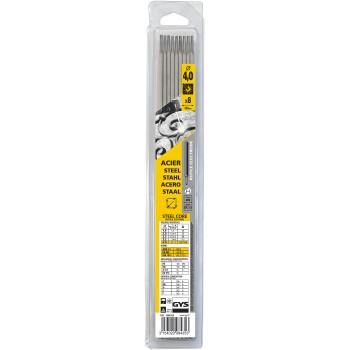
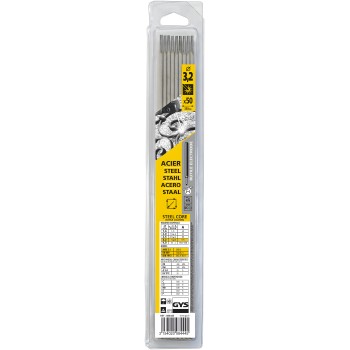
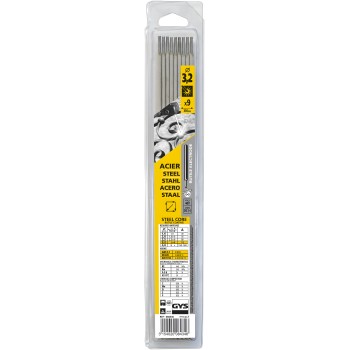
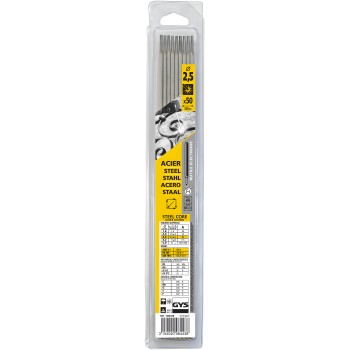
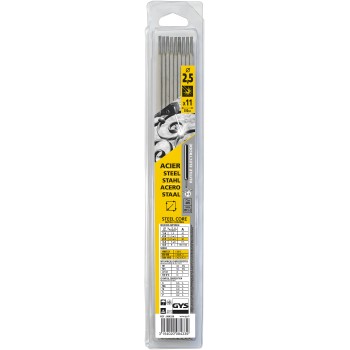
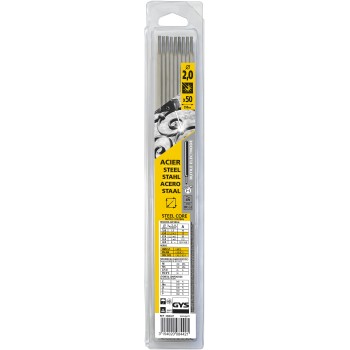
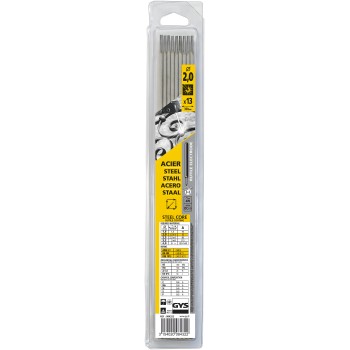
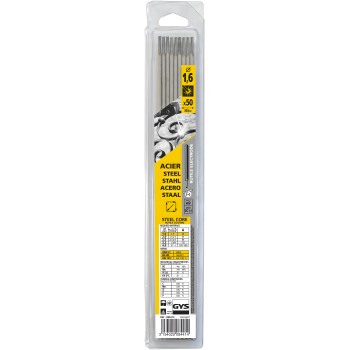
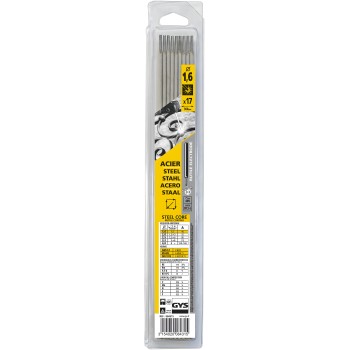
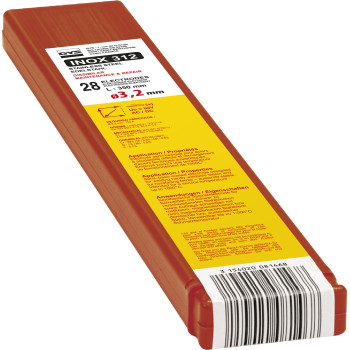
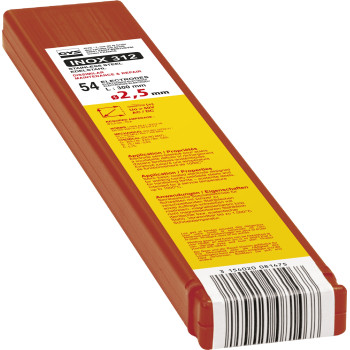
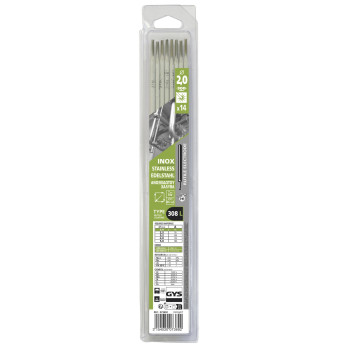
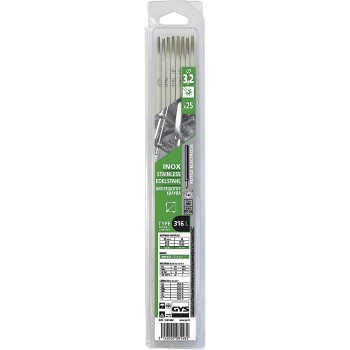
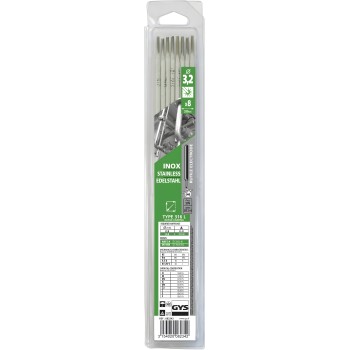
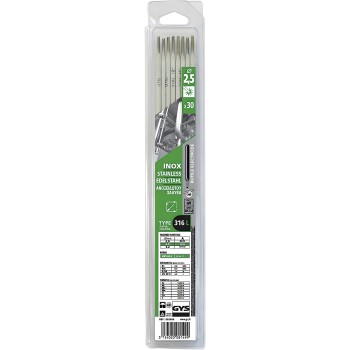
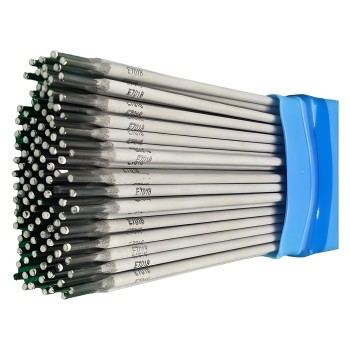
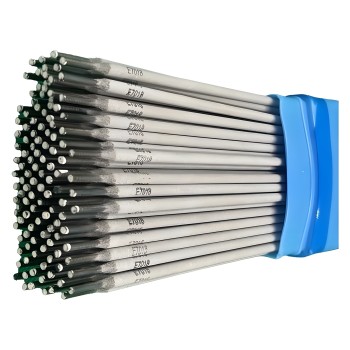
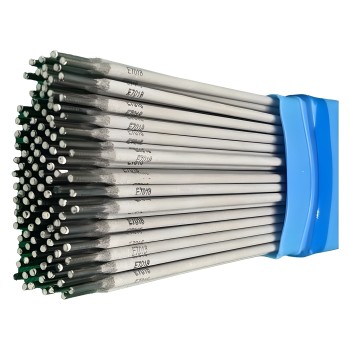
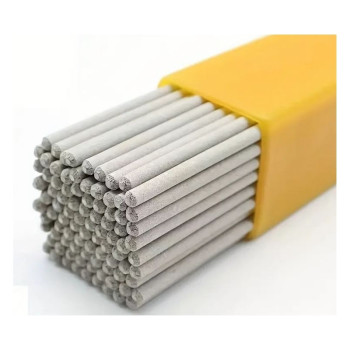
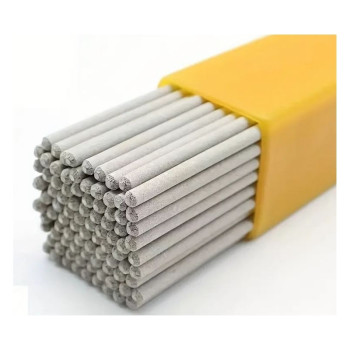
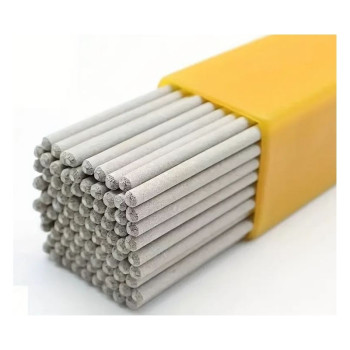
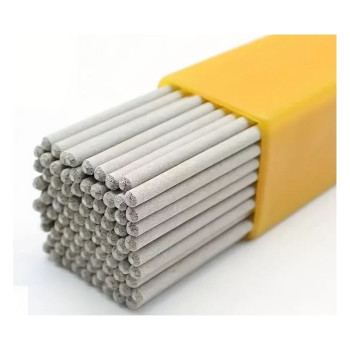
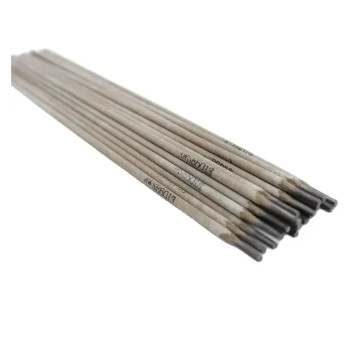
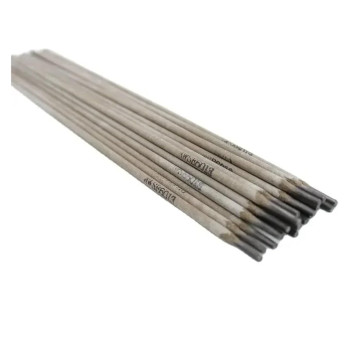
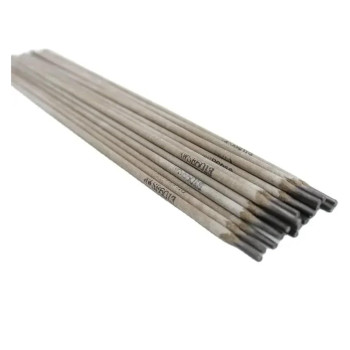
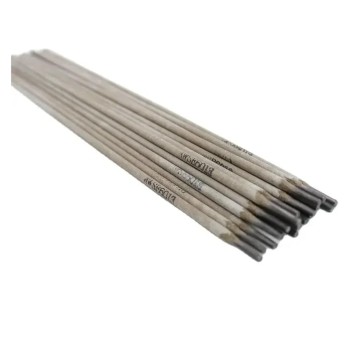
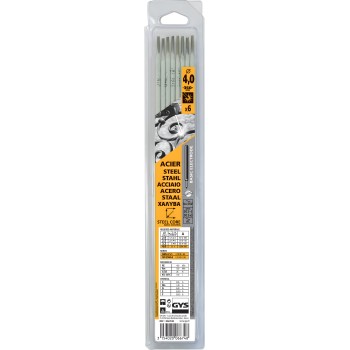
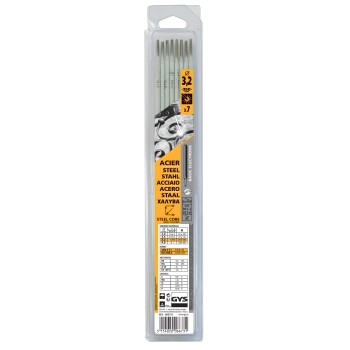
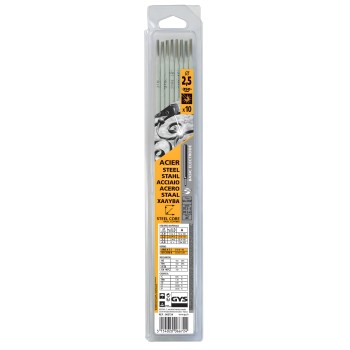
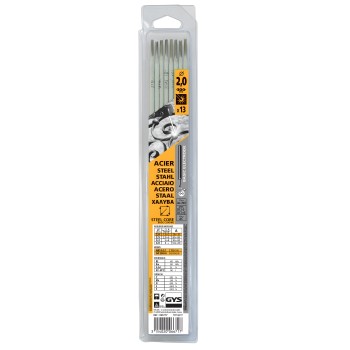
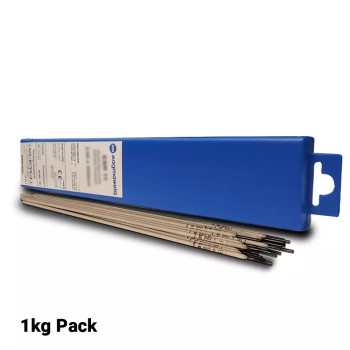
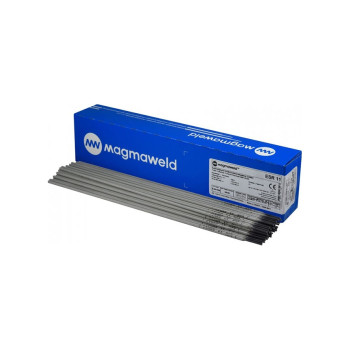
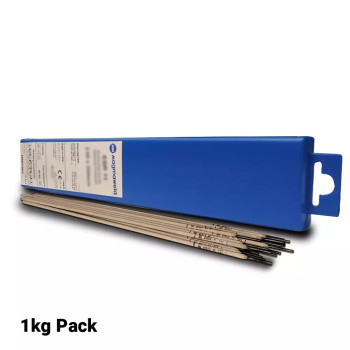
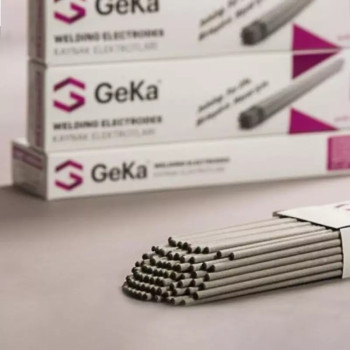
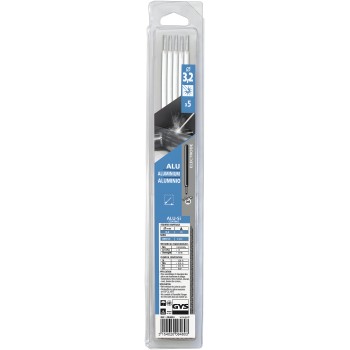
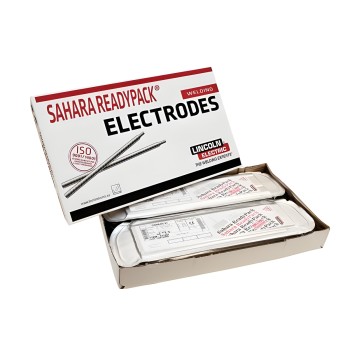
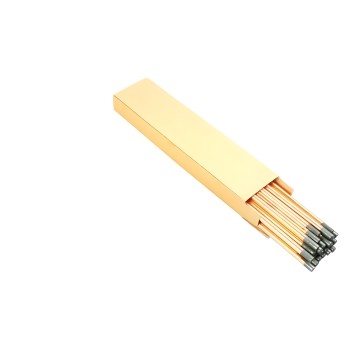
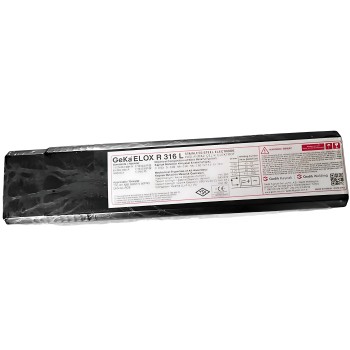
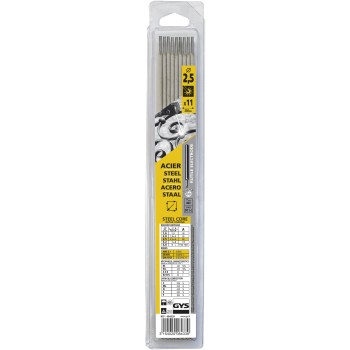
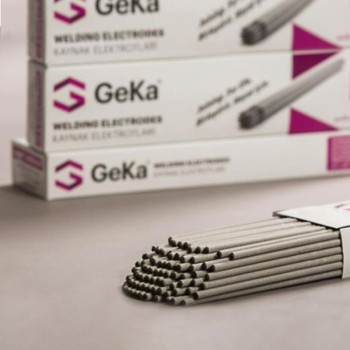
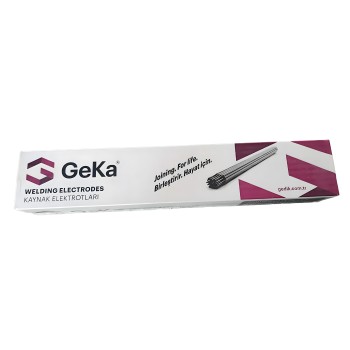
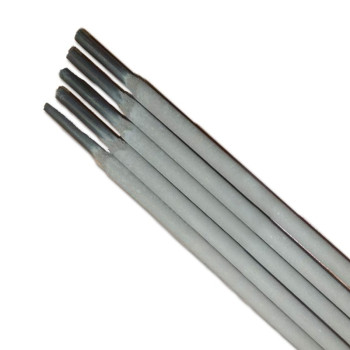
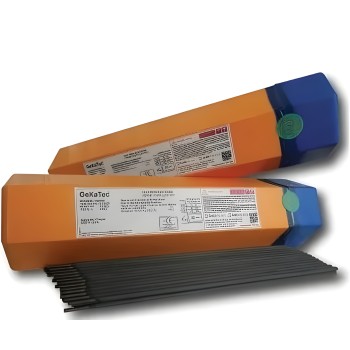
The coated welding electrode is the basic consumable for arc welding (MMA). Also called a welding rod, it melts to form the bead while generating protection through its coating. Discover our selection of welding electrodes in all types and diameters, for steel, stainless steel, cast iron, and more.
What is a coated electrode?
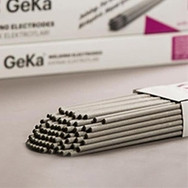
A welding electrode is a metal rod coated with a flux. During arc welding, the metal core melts and supplies the filler material, while the coating generates a shielding gas and slag that protect the weld pool from air. This dual function explains the simplicity of the MMA process: no gas cylinder, just a MMA machine and the right welding rod.
The different types of coating
There are several types of welding rod, defined by their coating. Rutile electrodes are easy to use, versatile, and ideal for general work. Basic electrodes produce stronger welds, suitable for stressed structures, but require more care. Other coatings (cellulosic, stainless steel, cast iron) address specific uses. The choice depends on the metal and the weld requirements.
Choosing by metal
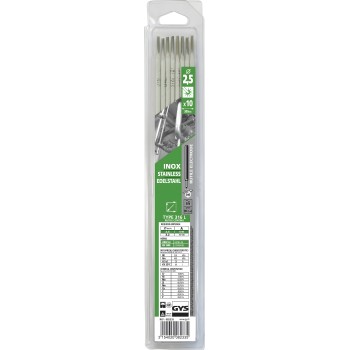
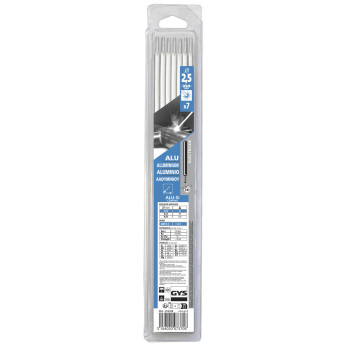
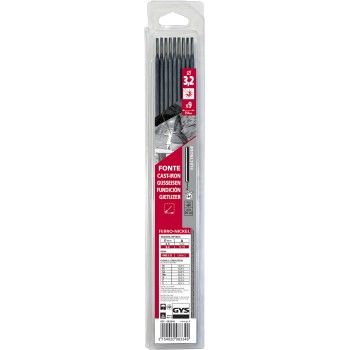
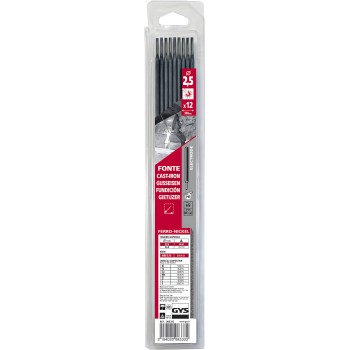
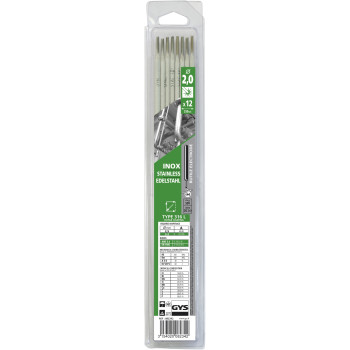
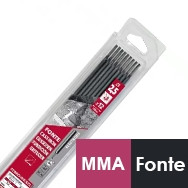
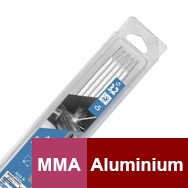
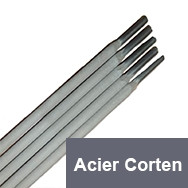
The welding electrode is chosen first and foremost according to the metal to be joined. For common steel, a rutile steel rod is suitable for most work. For stainless steel, a stainless steel electrode of a suitable grade is used. For cast iron, a cast iron rod with a nickel core. Every metal has its dedicated welding electrode, ensuring a strong and lasting bead.
The right diameter
The diameter of the arc welding electrode depends on the thickness of the workpiece and the amperage of the machine. Common diameters (1.6, 2.0, 2.5, 3.2 mm) cover the majority of needs, from thin sheets to heavy thicknesses. Useful rule of thumb: approximately 30 to 40 amps per tenth of a millimeter of diameter. An electrode suited to your machine strikes easily and melts regularly.
Storing your electrodes
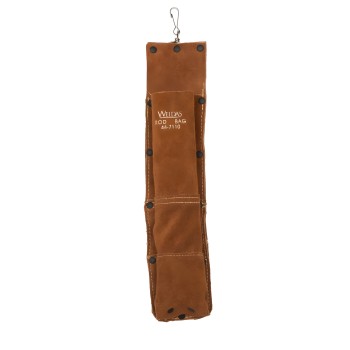
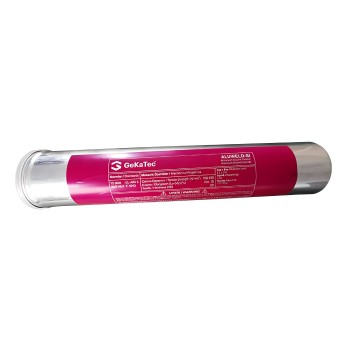
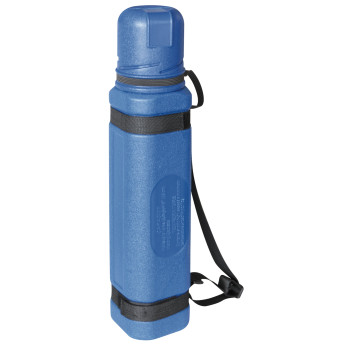
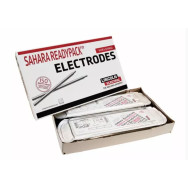
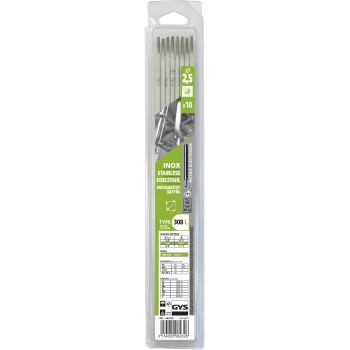
All welding electrodes are sensitive to moisture, which degrades the coating and causes porosity and arc instability. Store them in their original packaging, in a dry place. Electrodes in blister packs or in cases facilitate proper storage. Basic electrodes, which are particularly sensitive, sometimes require oven drying before use.
Achieving a successful arc weld
To weld well, clean the workpiece, set the amperage according to the diameter, strike by scratching the electrode, then maintain a short and regular arc length. Remove the slag after each pass with a brush and chipping hammer. These simple steps, applicable to any welding rod, determine the quality of the bead.
Steel, stainless steel, cast iron: the right electrode
Choosing the right welding electrode comes down to a simple rule: the filler must be compatible with the base metal. For mild steel, a rutile electrode is sufficient in most cases. For stainless steel, an electrode of a suitable grade preserves corrosion resistance. For cast iron, a nickel-core electrode limits cracking. Using an unsuitable welding rod produces a fragile bead or one prone to corrosion: filler-metal consistency is the basis of a lasting weld.
Setting the amperage
Setting the amperage is critical with a welding electrode. Too low an amperage prevents striking and causes the electrode to stick; too high, it causes spatter and burns through thin sheets. Each electrode diameter corresponds to an amperage range specified by the manufacturer. The ideal setting produces a stable arc, a regular sound, and a well-formed bead. On a MMA machine, always test on a scrap piece before tackling the final workpiece.
Striking and maintaining the arc
Mastering the strike makes all the difference with a welding rod. Strike by scratching the electrode on the workpiece like a match, then maintain a short and constant arc length, approximately equal to the electrode diameter. An arc that is too long is unstable, causes spatter, and heats poorly; one that is too short causes the electrode to stick. With a little practice on scrap pieces, the technique becomes natural and the bead regular.
Our advice
For your arc welding work, choose the welding electrode according to the metal (rutile for common steel, basic for structures, stainless steel or cast iron as needed) and the diameter suited to your machine. Keep your rods dry and maintain your arc length. Browse our selection of welding electrodes for all your assemblies.
Frequently asked questions
What is a coated welding electrode?
It is a metal rod coated with a flux. During arc welding, the core melts and supplies the filler material, while the coating generates a shielding gas and slag that protect the weld pool from air. This dual function allows welding without a gas cylinder, using the MMA process.
What are the different types of welding electrodes?
Mainly rutile (easy to use, versatile, for general work) and basic (stronger welds, for stressed structures). There are also cellulosic, stainless steel, and cast iron coatings for specific uses. The choice depends on the metal and the requirements.
What electrode diameter should you choose?
According to thickness and machine amperage: common diameters are 1.6, 2.0, 2.5, and 3.2 mm. Useful rule of thumb: approximately 30 to 40 amps per tenth of a millimeter of diameter. A suitable electrode strikes easily and melts regularly.
How should welding electrodes be stored?
In a dry place, in their original packaging: moisture degrades the coating and causes porosity and arc instability. Blister pack or case packaging facilitates storage. Basic electrodes, which are more sensitive, sometimes require oven drying before use.
What are the best welding rods?
The best rods depend on the metal and the expected result. Rutile electrodes are easy to strike, basic ones produce stronger welds, and stainless steel or cast iron electrodes are used for specific metals.


 Italy
Italy
 Germany
 Netherlands
 Croatia
 Denmark
 Finland
 Greece
 Portugal
 Sweden
 Norway
 Bulgaria
 Estonia
 Latvia
 Lithuania
 Poland
 Czech Republic
 Romania
 Slovakia
 Slovenia
 Hungary
 Spain
Spain



 2-year warranty