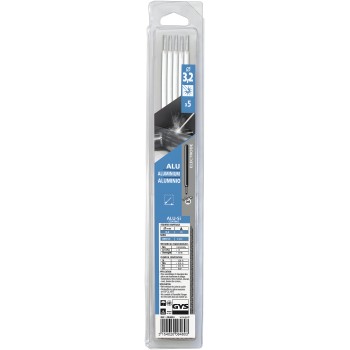
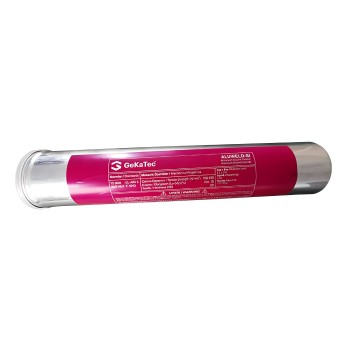
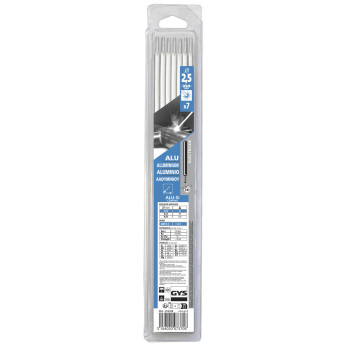
Aluminium welding requires specific consumables, as this lightweight metal behaves very differently from steel when exposed to heat. The right aluminium rod, combined with the correct process, makes it possible to achieve strong, clean assemblies. Discover our selection of rods and consumables for welding aluminium, along with our tips for achieving successful welds.
Why is aluminium a special metal?
Aluminium conducts heat very well, melts at a low temperature, and is instantly covered by a refractory oxide layer that melts at a much higher temperature than the metal itself. This characteristic makes aluminium welding tricky: the oxide must be removed and a rapid heat input must be controlled. The metal does not change colour before melting, which requires experience to anticipate fusion.
Which processes can be used to weld aluminium?
There are several options for aluminium welding. AC TIG is the benchmark for quality: an AC/DC TIG machine removes the oxide through alternating current and delivers an impeccable finish. MIG, with an aluminium wire and pure argon, is suited to productivity on thicker parts. With coated arc (MMA), arc aluminium welding is possible with specific aluminium electrodes, mainly for repair work.
The aluminium filler rod
The aluminium filler rod is chosen according to the grade of aluminium to be welded (1000, 4000, 5000 series, etc.). The most common filler grades are 4043 (silicon, versatile) and 5356 (magnesium, stronger). The cleanliness of the consumable is paramount: an aluminium welding rod must be perfectly clean and dry, as aluminium is extremely sensitive to contamination, which causes porosity.
Preparation, a key step
Before welding aluminium, preparation is critical. Degrease the surface thoroughly, then remove the oxide layer with a stainless steel brush reserved exclusively for aluminium (never used on steel). Weld quickly after brushing, before the oxide reforms. This attention to detail directly determines the success of the weld bead.
Controlling heat input
The high thermal conductivity of aluminium requires a large amount of energy to be applied quickly, especially at the start of the weld bead where the part is cold. A light preheat can help with thicker sections. Conversely, with thin sheet metal, the risk is burn-through: a precise machine is then needed, ideally pulsed TIG. The right balance between speed and control comes with practice.
The right equipment
For aluminium welding, equip yourself with the right process: an AC/DC TIG machine for finishing, or a MIG machine with aluminium wire and a Teflon-lined torch for productivity. The shielding gas is pure argon. For TIG, an alternating current tungsten electrode and the right filler metal complete the setup.
Common mistakes to avoid
The main mistakes in aluminium welding are contamination (tools shared with steel), insufficient oxide cleaning, and poor heat input management. Also avoid welding aluminium that is wet or greasy. By following proper preparation and choosing the right rod, you will achieve sound, strong weld beads.
Welding thin aluminium without burn-through
The major challenge of aluminium welding on thin sheet is melting the metal without burning through it. The high thermal conductivity disperses heat quickly, but aluminium melts abruptly and without changing colour, leaving very little margin. The solution: a precise machine, ideally pulsed TIG, which alternates between peak and background current to control the weld pool. Move quickly, work in closely spaced tack welds if necessary, and practise on scrap pieces.
Cleanliness above all
No aluminium rod can compensate for poorly prepared metal. Degrease, brush off the oxide with a stainless steel brush just before welding, and store your rods away from moisture: aluminium is the metal most sensitive to contamination, and the slightest negligence on this point will almost always result in visible porosity in the weld bead.
Our advice
For successful aluminium welding, AC/DC TIG remains the premium choice; aluminium MIG is suitable for productivity. Choose an aluminium rod of the appropriate grade (4043 or 5356), take care with degreasing and oxide removal, and work with precise equipment. Browse our selection of rods and consumables for welding aluminium in the best conditions.
Frequently asked questions
Which rod should you use to weld aluminium?
An aluminium filler rod of the appropriate grade: 4043 (silicon-based) is versatile, 5356 (magnesium-based) is stronger. The rod must be perfectly clean and dry, as aluminium is highly sensitive to contamination, which causes porosity.
Which process should you choose for aluminium welding?
AC/DC TIG is the benchmark for quality and finish. Aluminium MIG (wire + pure argon) favours productivity on thicker parts. MMA with aluminium electrodes remains possible for repair work. The choice depends on the desired result and the thickness.
Why must aluminium be cleaned before welding?
Because aluminium is instantly covered by a refractory oxide layer that melts at a much higher temperature than the metal itself. Without cleaning (a dedicated stainless steel brush, used just before welding), this oxide prevents proper fusion and causes defects.
What is the difference between a 4043 and a 5356 rod?
The filler grade: 4043 contains silicon, making it versatile and easier to weld; 5356 contains magnesium, offering better mechanical strength. The choice depends on the aluminium alloy being welded and the constraints of the part.
What is the best rod for welding aluminium?
For aluminium, you need a filler rod compatible with the alloy, usually 4043 or 5356. The surface must be perfectly cleaned and welded with a suitable process, generally AC TIG.


 Italy
Italy
 Germany
 Netherlands
 Croatia
 Denmark
 Finland
 Greece
 Portugal
 Sweden
 Norway
 Bulgaria
 Estonia
 Latvia
 Lithuania
 Poland
 Czech Republic
 Romania
 Slovakia
 Slovenia
 Hungary
 Spain
Spain



 2-year warranty